
One of the DAG’s first priorities has been supporting the development of the YOUTHreach federated data platform. Rather than transferring sensitive information to a single central database, this approach allows participating sites to keep data securely within their own institutions while enabling collaborative analyses across countries.
During its initial meetings, the DAG has started mapping local data governance requirements, discussing technical infrastructure needs, and identifying the conditions needed to enable privacy-preserving data sharing and analysis. These early discussions are laying the groundwork for a secure and sustainable platform that will strengthen international collaboration and accelerate discoveries in youth mental health, while respecting the rights and expectations of the young people whose data make this research possible.
The federated platform builds on technologies previously developed and implemented in European projects such as DataTools4Heart and EuCanImage and is currently maintained and further developed by Fedder, a spin-off of the University of Barcelona. The platform enables participating institutions to collaborate without transferring individual-level data outside their local environments, supporting compliance with legal, ethical, and institutional requirements while facilitating large-scale collaborative research (Figure 1). In addition, the platform supports the implementation of FAIR data principles, helping to make data more findable, accessible, interoperable, and reusable across the consortium.
As part of this work, the consortium has initiated the first YOUTHreach federated simulation. The objective of this simulation is to predict the response to each intervention based on the individual characteristics and clinical profile of the young person seeking help. The analysis focuses on three intervention types represented within YOUTHreach services: app-based interventions, walk-in centres providing face-to-face support, and digital platforms offering online mental health services and resources. The effectiveness of these intervention modalities is assessed using three key outcomes which are complementary dimensions of mental health and wellbeing available across participating datasets: quality of life, social functioning, and psychological distress. Together, they provide a harmonised framework for evaluating intervention response, encompassing both symptom-related outcomes and broader indicators of daily functioning and quality of life.
The first YOUTHreach federated simulation involves four partners: Maastricht University (UM), the University of Galway (NUIG), Zentralinstitut für Seelische Gesundheit Mannheim (ZI Mannheim), and Amsterdam University Medical Center (Amsterdam UMC). Their participation represents an important first step towards establishing a scalable federated research infrastructure capable of supporting collaborative analyses across multiple institutions while maintaining data privacy and local control of sensitive information. Beyond testing the technical feasibility of the platform, the simulation will provide valuable insights into the potential of federated analytics to support the development of more personalised and evidence-informed mental healthcare pathways for young people across Europe.
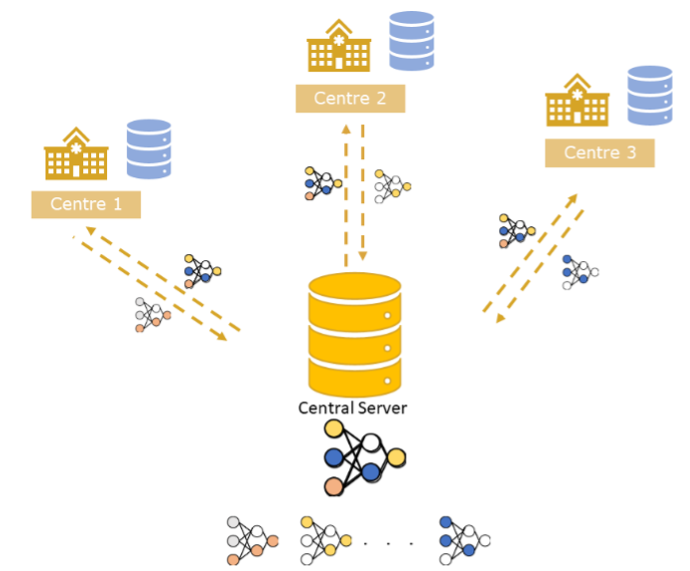
Figure 1. Example of how the federated platform works
Find the latest YOUTHreach updates in your inbox!