
We know a lot about how adverse childhood experiences affect mental health. Growing up with chronic stress, abuse, instability, or a lack of support can leave long-lasting traces [1]. But focusing only on what went wrong tells only half the story. Research increasingly shows that positive experiences matter just as much [2]. Positive experiences, such as feeling supported and seen, feeling capable or proud of yourself, having routines, feeling safe, helping others, or sharing moments of genuine connection, play a crucial role in healthy development. They don’t magically erase difficult experiences, but they can buffer their impact, strengthen resilience, and support recovery. Thus, recovery is not about becoming “problem-free” or “stress-free.” It is about building a life that contains enough positive experiences, relationships, and support to move forward – even when things are difficult.
My name is Rianne Pellemans-van Rooijen, and I work as a postdoctoral researcher at Maastricht University. My research focuses on how we can improve mental healthcare for young people, particularly by understanding how life experiences shape mental health. My interest is not only in how negative experiences affect us, but in how recovery can be actively supported by strengthening resilience and building positive experiences in everyday life. Learning to recognize and create positive moments in the present, even small ones, can help rebalance how young people experience themselves and the world around them.
One example of this approach is the SELFIE intervention, which we are currently investigating in the European YOUTHreach project. SELFIE is a hybrid training program that combines regular sessions with a mental health professional and a smartphone app with short, practical exercises. Instead of focusing on symptoms, the intervention supports young people in building self-esteem, reducing stress, and developing healthier daily habits. The app is designed to fit into everyday routines, which makes support more accessible and less overwhelming.
Positive experiences come not only from within ourselves, but also from connection with others. Peer support can offer something unique. Our research showed that young people often describe peer support as more informal, less judgmental, and easier to access than traditional services. Feeling understood by someone who “gets it” can reduce stigma, increase hope, and lower barriers to seeking help early. At the same time, peer support works best when it complements professional care. When aligned well, peer support and professional services can reinforce each other rather than compete. Not every problem can or should be addressed by peers alone, but together with mental health professionals, peer support can help create a more responsive and youth-centered system [3].
Strengthening collaboration between professionals, peers, researchers, and young people themselves is essential. This is at the core of the YOUTHreach project. By working together and co-creating interventions with youth, we can ensure that mental health support is not only evidence-based, but also meaningful, accessible, and truly strengthening young people’s resilience and recovery.
[1] Kim, B., & Royle, M. (2025). Annual Research Review: Mapping the multifaceted approaches and impacts of adverse childhood experiences – An umbrella review of meta-analyses. Journal of Child Psychology and Psychiatry, 66(4), 399–416. https://doi.org/10.1111/jcpp.14022
[2] Sousa, M., Machado, A. B., Pinheiro, M., Pereira, B., Caridade, S., Almeida, T. C., Cruz, A. R., & Cunha, O. (2025). The impact of positive childhood experiences: A systematic review focused on children and adolescents. Trauma, Violence, & Abuse, 15248380251320978. https://doi.org/10.1177/15248380251320978
[3] Pellemans-van Rooijen, R., Spigt, M., Koonings, F. P., Odink, T., Noort, V. G., Van Amelsvoort, T. A., & Leijdesdorff, S. M. (2025). Bridging peer support and primary care in youth mental health: stakeholder perspectives on needs, key elements and integration challenges. International Journal of Qualitative Studies on Health and Well-being, 20(1), 2588933. https://doi.org/10.1080/17482631.2025.2588933
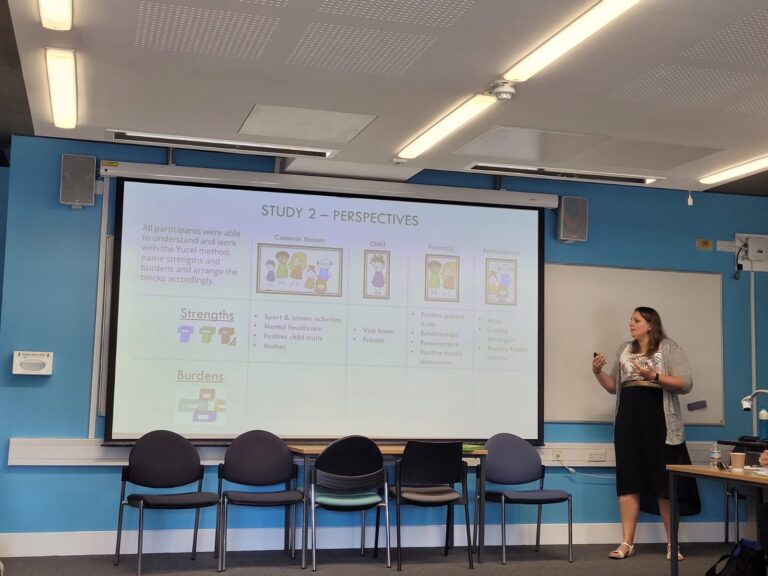
Rianne presenting at the European Scientific Association on Residential and Family Care for Children and Adolescents
Find the latest YOUTHreach updates in your inbox!