
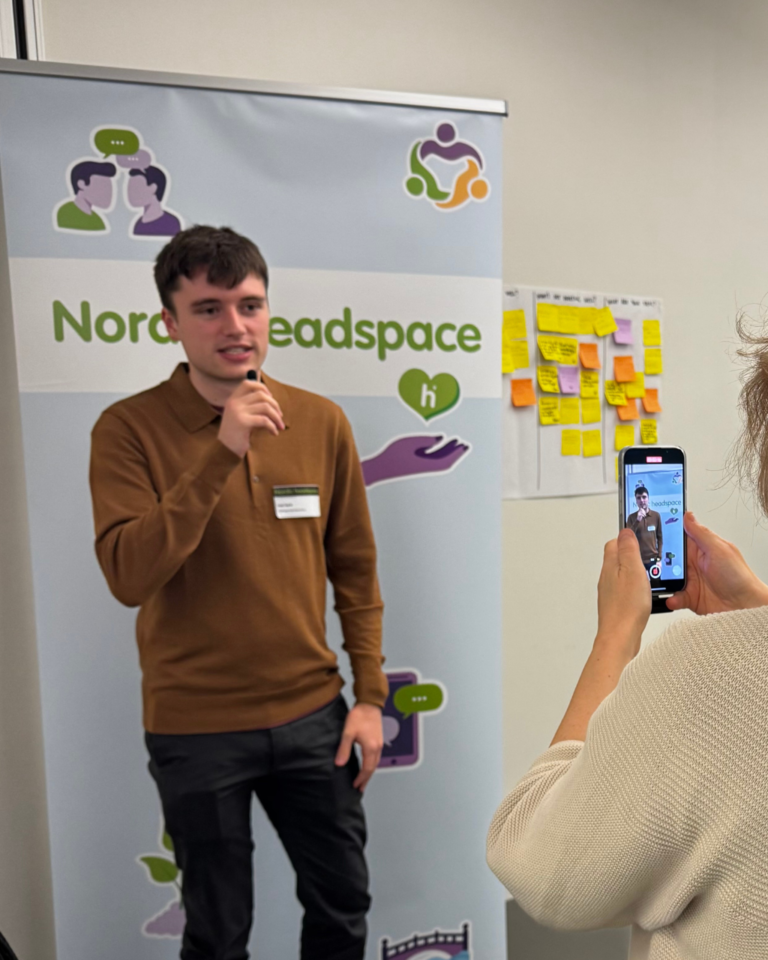
A month ago, I travelled to Copenhagen as part of the YOUTHreach Youth Advisory Group to attend the Nordic headspace 2025 conference. The first day was a pre-conference workshop focused on a critical question: what works in early intervention for youth mental health, for whom, and where?
Held at headspace Denmark’s offices, the workshop brought together practitioners, researchers, policymakers, and young people from across Europe and further afield. The format was refreshingly hands-on and collaborative, it was less about presentations and more about genuine discussion and shared learning.
The morning began with an overview of headspace Denmark’s model before moving into a situation analysis. What became clear very quickly was that while the challenges young people face are remarkably similar across countries: loneliness, social disconnection, stress about the future, the systems meant to support them vary wildly.
The heart of the workshop came in the afternoon sessions exploring what’s working and what isn’t. Hearing examples from so many different countries was eye-opening and the themes that emerged painted a complex picture.
Perhaps the most consistent barrier mentioned was funding instability. Across nearly every country represented, organisations delivering youth mental health services are fighting for sustainability year after year. Even when services prove effective and are clearly needed, long-term funding remains elusive. You can’t build trust with young people or develop effective interventions when you’re uncertain whether the service will exist next year.
Stigma also varies dramatically across regions. While some Western European countries have made significant progress in normalising conversations about mental health, there’s still a notable divide. We heard from young people in Eastern Europe that the stigma attached to seeking help remains a major barrier to accessing support.
The sheer variability in service provision was striking. In some countries, comprehensive early intervention services exist in major cities but not elsewhere. In others, services are available but difficult to access, or they simply don’t meet young people where they are.
Despite these challenges, there were inspiring examples of what’s possible when services genuinely listen to young people.
Headspace Norway, Mental Helse, realised that restricted mobility was an important issue for youth, who often don’t have a car or can’t drive yet. So, they put centres right next to train stations, allowing young people to easily access support via public transport. As demonstrated here, it’s not about finding a random location and expecting people to come but rather making it easy for young people to feel supported in a low stakes and accessible environment.
@ease in the Netherlands shared how they adapted their provision based on feedback from young people. When non-Dutch-speaking young people started coming in, they shifted from offering services only in Dutch to also providing support in English. It’s a straightforward example of flexibility, but it demonstrates something crucial: services that are genuinely youth-centred evolve based on what young people actually need.
There was also encouraging news about mental health rising up the political agenda in several countries. Governments are increasingly recognising youth mental health as a priority. The challenge now is ensuring that funding and action match the rhetoric.
The day concluded with a visit to headspace Lyngby, one of Denmark’s local youth mental health centres. This was one of the most valuable parts of the entire workshop.
We heard directly from volunteers and staff about what they do, and perhaps more importantly, what they don’t do. They’re not there to diagnose or treat. They’re there to listen, without judgment, whenever a young person walks through the door. It’s a safe space where you can talk about what’s going on in your life, whether that’s stress about school, relationship problems, worries about the future, or just feeling overwhelmed.
The simplicity of the model is what makes it so powerful. Young people know they can show up, no appointment needed, and someone will be there to listen. It’s anonymous, low-stakes, and free from the stigma often attached to “seeking help.” For some young people, it’s a bridge to more intensive support. For others, it’s exactly what they need in that moment. You can come once and that’s enough, or you can come back as many times as you need. The service is there to be used as you need it.
What struck me most about the day was the contrast between what we know works and the barriers preventing it from being widely available.
headspace Denmark, along with similar models in Norway, Iceland, Australia, and beyond, demonstrates that low-threshold early intervention works. When young people have access to safe, non-judgmental spaces where they can talk about what’s going on in their lives, it makes a genuine difference. The evidence is there. The model exists.
The question isn’t whether we know how to support young people’s mental health early, before they reach crisis point. We do. The question is whether we’re willing to roll the model out further and fund it properly and sustainably.
Every young person deserves to have someone there whenever they need it—just to listen, free from judgment or stigma. Not everywhere has a headspace centre, but the workshop reminded me that the solutions exist. Now we need the political will and the funding to make them accessible to all young people, regardless of where they happen to live.
The conversations at the Danish Parliament the next day would only reinforce how urgent this work is.
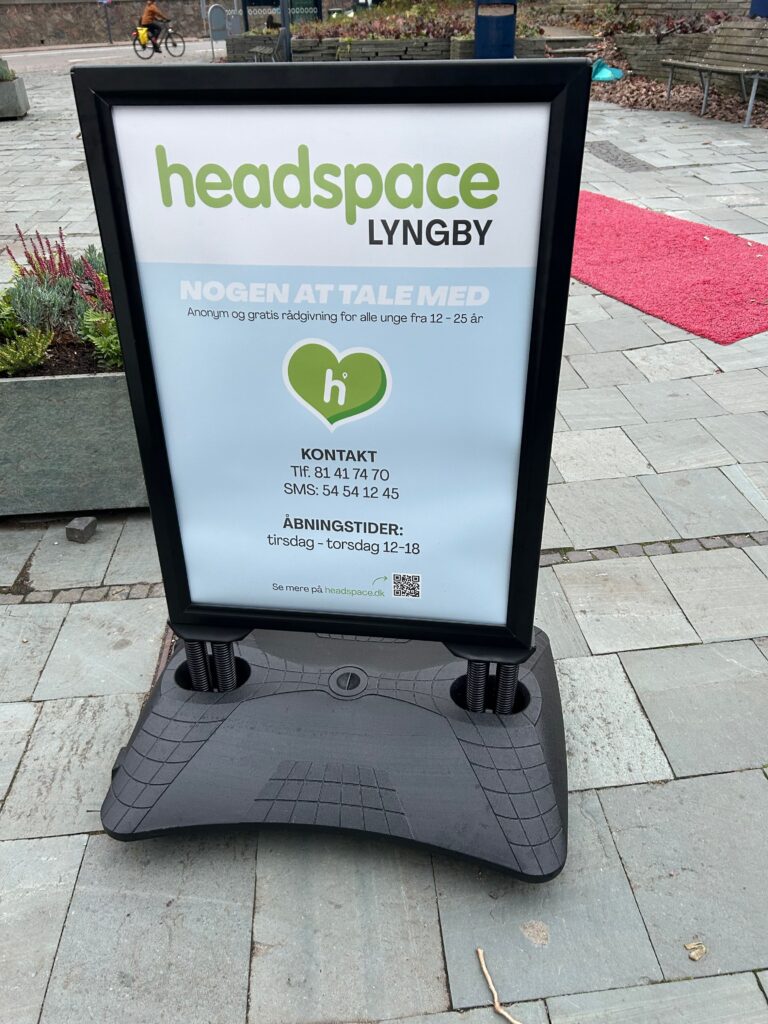
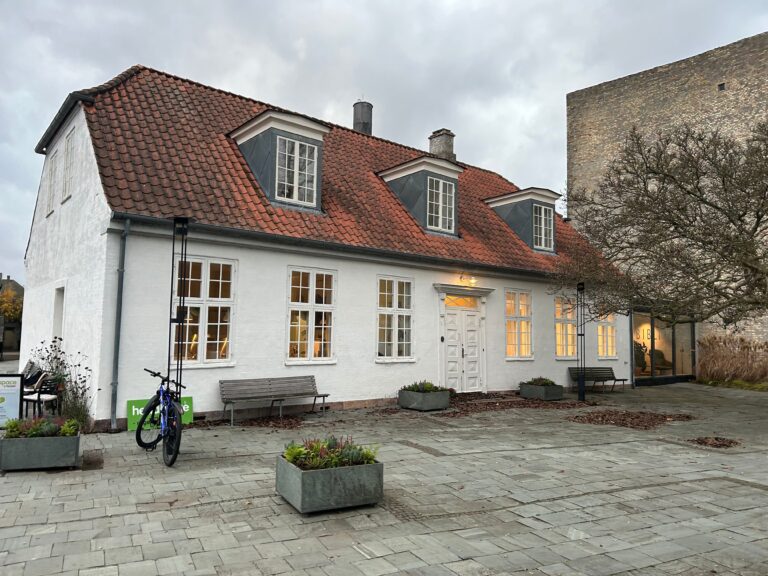
headspace walk-in centre Lyngby
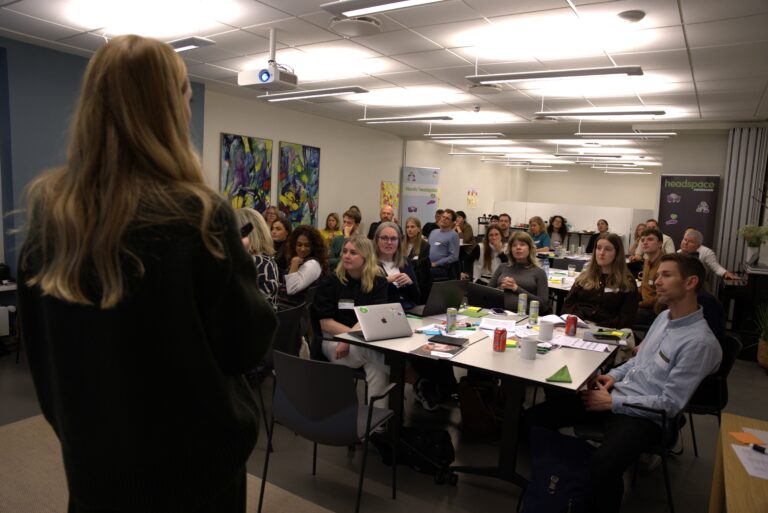
The headspace workshop
Find the latest YOUTHreach updates in your inbox!